
Proof of personhood
for education
for education
OriginStory for education
Universities need a new way to establish what the student themselves knows, can explain and can do.

Question one
The Colorado River Compact allocated more water than the river reliably carries, a shortfall masked for decades by unusually wet years and by states declining to draw their full entitlement. Arizona's junior priority under the 1968 authorization means it absorbs shortages first, which is why the state's groundwater has quietly become a buffer rather than a reserve. Any durable settlement has to price that buffer, not simply reallocate the surface flow.
Who could have produced this?
Choose a possibility. The submission stays the same.
Three weeks of reading. She can defend the priority argument under questioning and knows which part of it is still contested.
A well built prompt, two rounds of editing, and a real judgment about which paragraph was worth keeping.
Generated in nine seconds from one line of instruction, pasted in without being read.
Three possible realities.
One indistinguishable submission.
The grade book records the same A in all three cases. Nothing in the submission tells the university which student it just credentialed.
AI is changing what student work alone can prove.

For a century, captured work was evidence that something happened. That assumption is gone, and it went quietly, inside every course at once.
What is at stake
They educate students, and they vouch for what those students know and can do.
For decades the second job rested on the first. Essays, problem sets, code and exams stood in as evidence of learning, and the evidence was good enough because producing it required the learning. Generative AI severs that link. It does not make students dishonest, and most are not. It makes the artifact silent about its own origin.
Employers have already started reporting the gap between the degree a recent graduate holds and how that graduate performs. The claim is being tested in public, by the people who relied on it.
Question two
Move what is being assessed.
Switch between them
A finished document, assessed on its own. It is the same document whoever made it.
The Colorado River Compact allocated more water than the river reliably carries, a shortfall masked for decades by unusually wet years and by states declining to draw their full entitlement.
This is an assessment problem, not a detection problem.
Detection does not solve it. Detectors learn the fingerprints of the models that exist today, and OriginStory's own researchers published the argument for why that does not generalize. Even a perfect detector would only tell you a machine was involved, never what the student knows.
Removing AI does not solve it either. Students will use these tools in every field the university prepares them for, and enforcement moves the work off campus and out of view.
Chalak, Lenz, Bliss, Liss and Berisha, "Why Speech Deepfake Detectors Won't Generalize", arXiv preprint, September 2025.
Question three
The Colorado River Compact allocated more water than the river reliably carries, a shortfall masked for decades by unusually wet years and by states declining to draw their full entitlement. Arizona's junior priority under the 1968 authorization means it absorbs shortages first, which is why the state's groundwater has quietly become a buffer rather than a reserve.
Not yet asked.
"Because the shortfall was never a modelling error. It was priced in politically. If you treat groundwater as a reserve you get the accounting wrong, so I argued the settlement has to price the buffer instead of reallocating the flow."
Press to run the demonstration
Illustrative interface. Representative footage, not a product recording.
Who made this demonstration?
Does the demonstration show mastery?
OriginStory does not grade, and it does not detect whether AI was used. It establishes that the enrolled student is the person making the demonstration. Faculty define mastery and design the assessment.
How the proof works
Voice and a second signal from the device establish that a live human is present.
The signals are matched locally. The underlying biometric data does not travel to a central database.
A cryptographically verifiable record of that moment is created.
The record stays with the interaction or the work, through a recording, a transcript or a file.
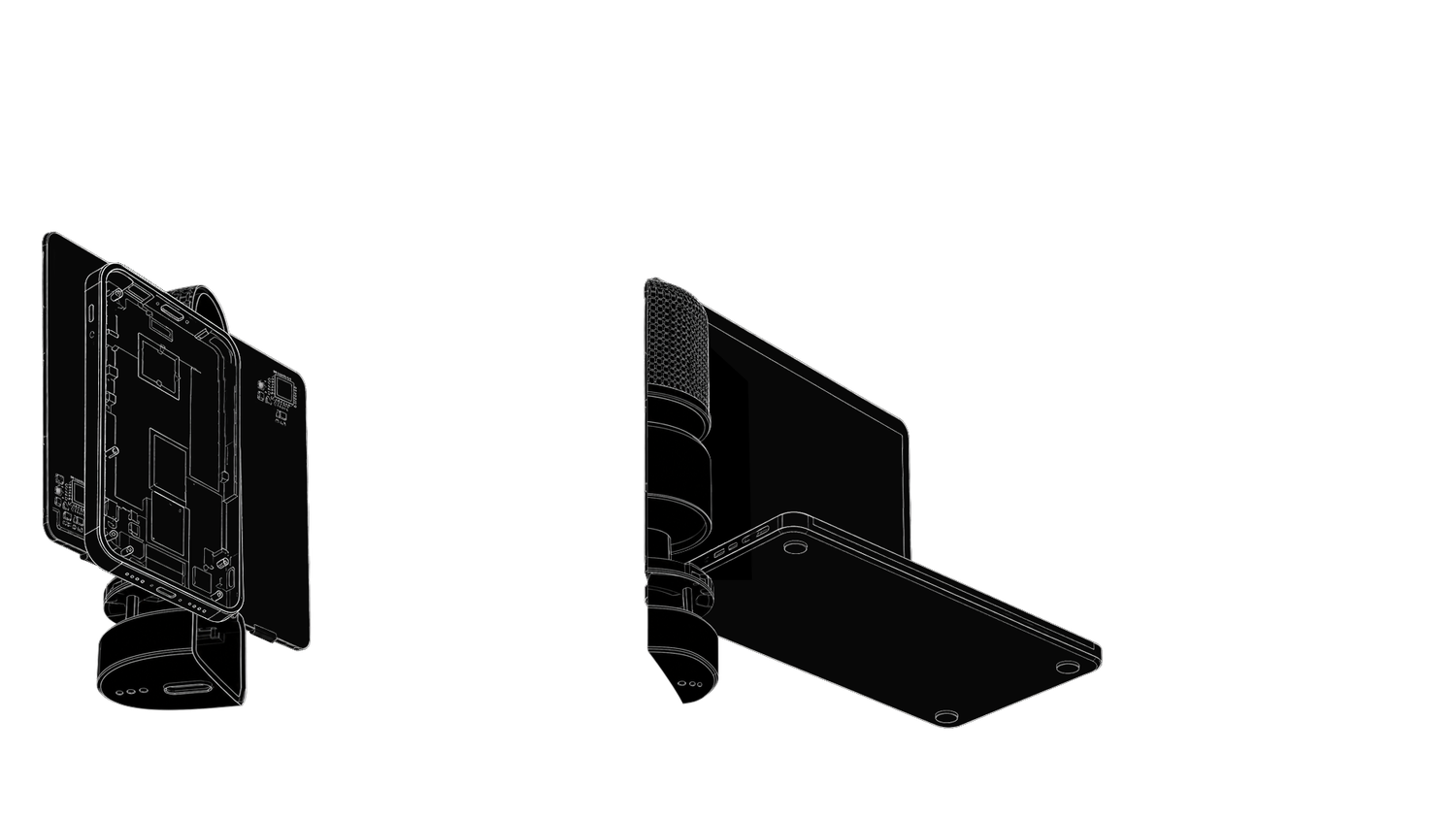
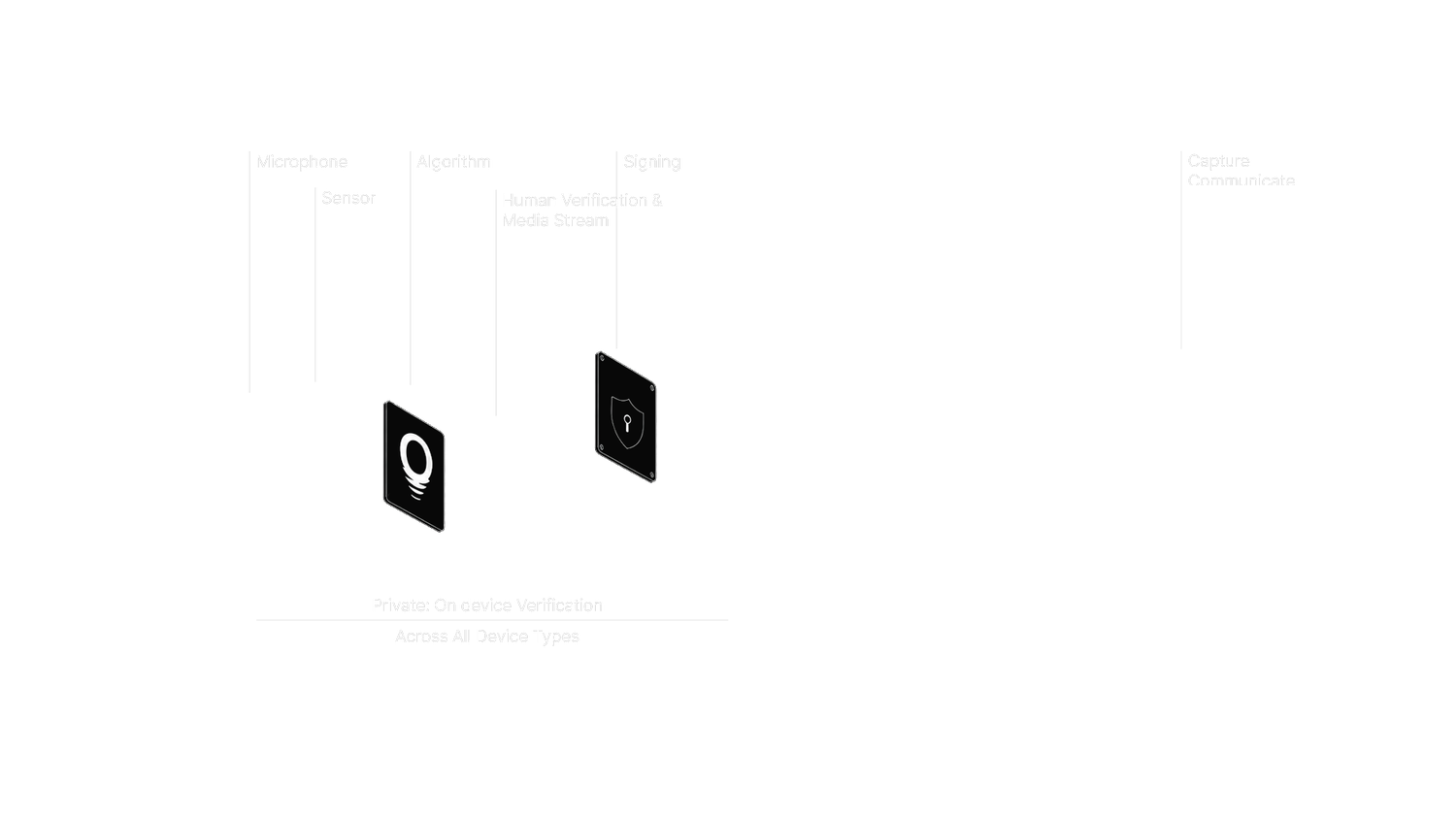
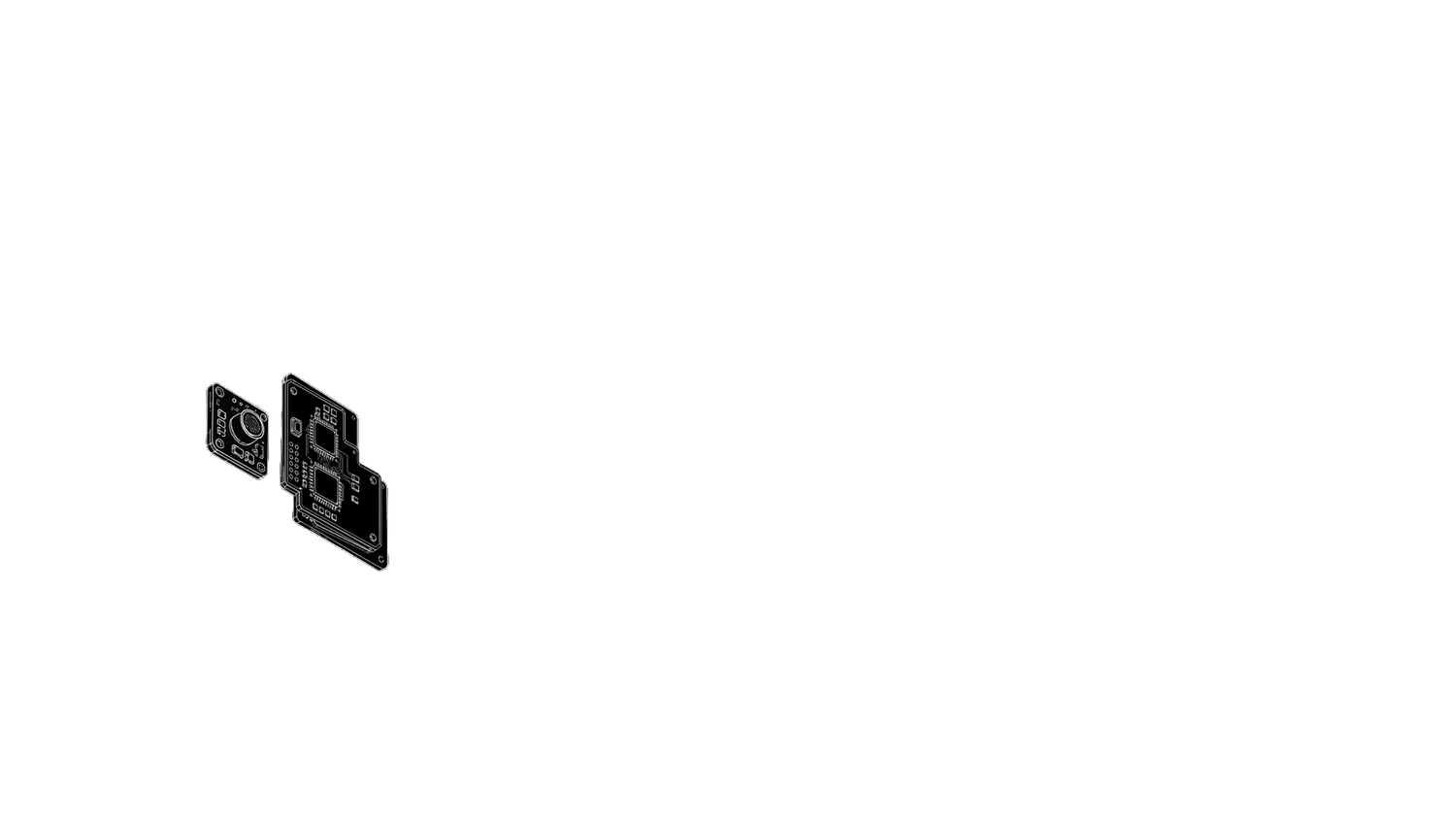
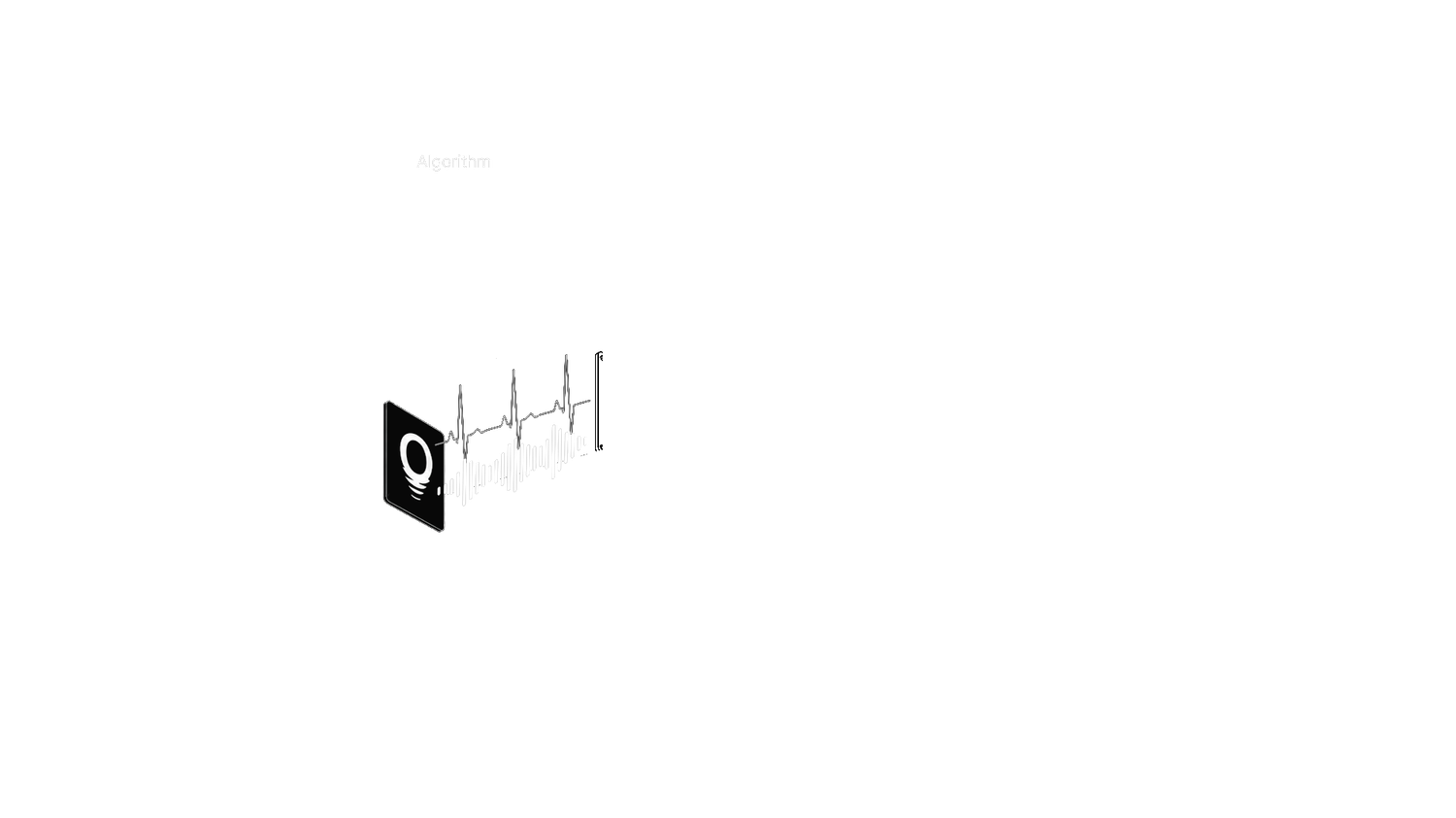
Diagram adapted from OriginStory for education.
The educational model
"Explain why you reached this conclusion."
Let students work with AI.
Verify the student at the moments that matter.
Faculty decide where AI is permitted and where a demonstration is required. OriginStory has no view on either.
What it strengthens
Every claim a university makes about a graduate rests on the link at the top, and that link is the one AI just weakened.
OriginStory strengthens the first link, so the claims underneath the credential stay attached to an actual person. Held as a chain rather than a line on a transcript, that record travels with the graduate and the institution keeps the meaning of what it awarded.
The opportunity
ASU chose to embrace AI early, and that was the right call. Students will use it throughout their learning and throughout the working lives the university is preparing them for.
Learning is becoming more digital, more personalized and more distributed. That is the direction ASU chose a long time ago.
Traditional identity and assessment methods rely on a controlled testing room or paid remote proctoring. Both are expensive, both are hard to scale, and neither fits that future.
ASU can embrace AI without giving up confidence in what an ASU degree represents.
The check moves inside the learning instead of sitting outside it in a locked room. Students use AI throughout, and the university keeps secure moments to verify individual understanding along the way.
At ASU's scale, online learners included, that makes it possible to widen access to programs while demonstrating exactly what the credential still represents.
After graduation
Is this the person? Can they do what their record says they can do? Résumés, portfolios, coding exercises and interviews can all now be generated or mediated by AI, and employers are facing their own version of this problem about your graduates.
A connection established during education carries into hiring. That is worth something to the graduate, and it is worth more to the university whose name is on the degree.
Where this comes from